3-Layer Roof Teardown and Full Replacement in Salt Lake City
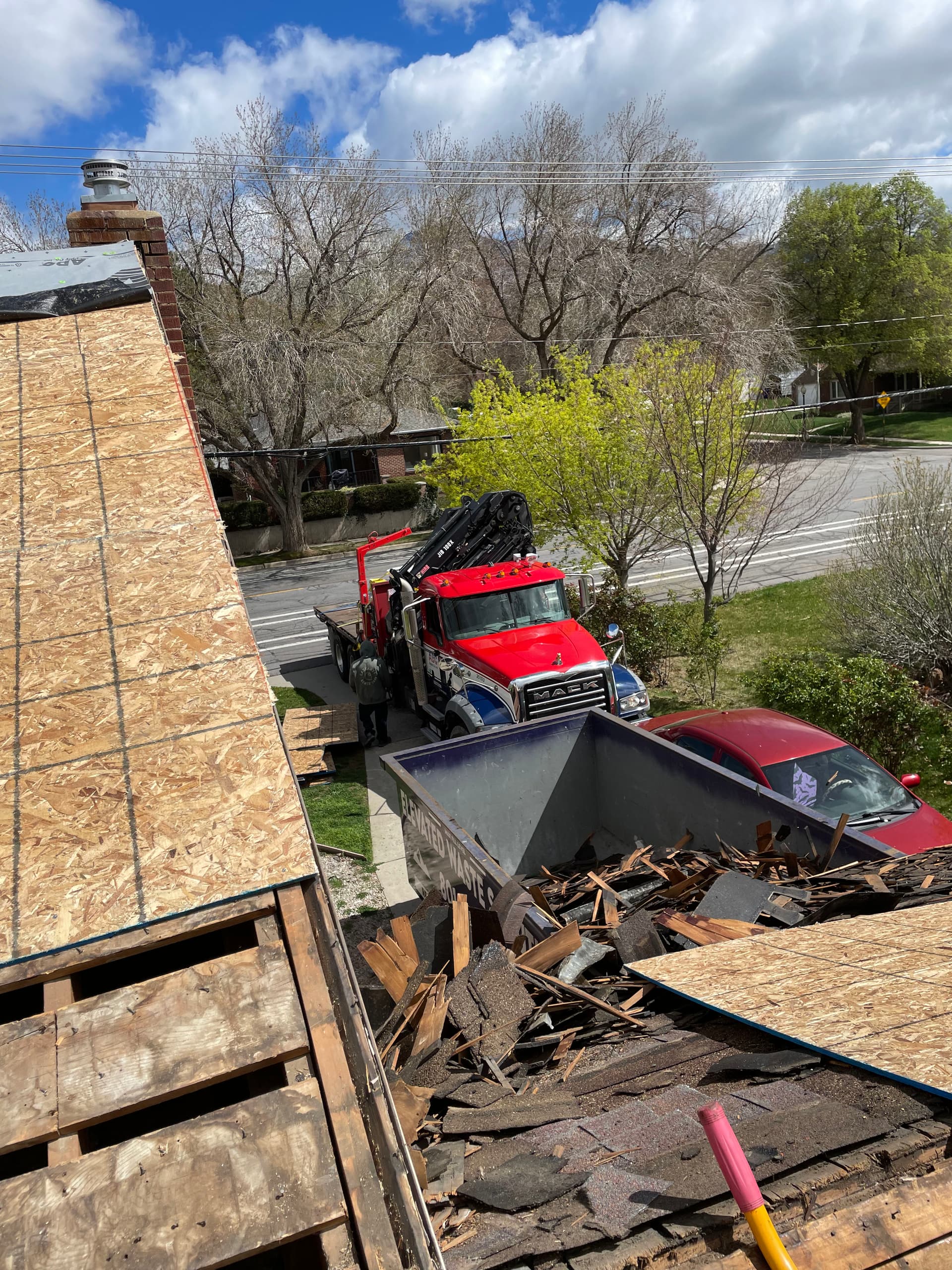
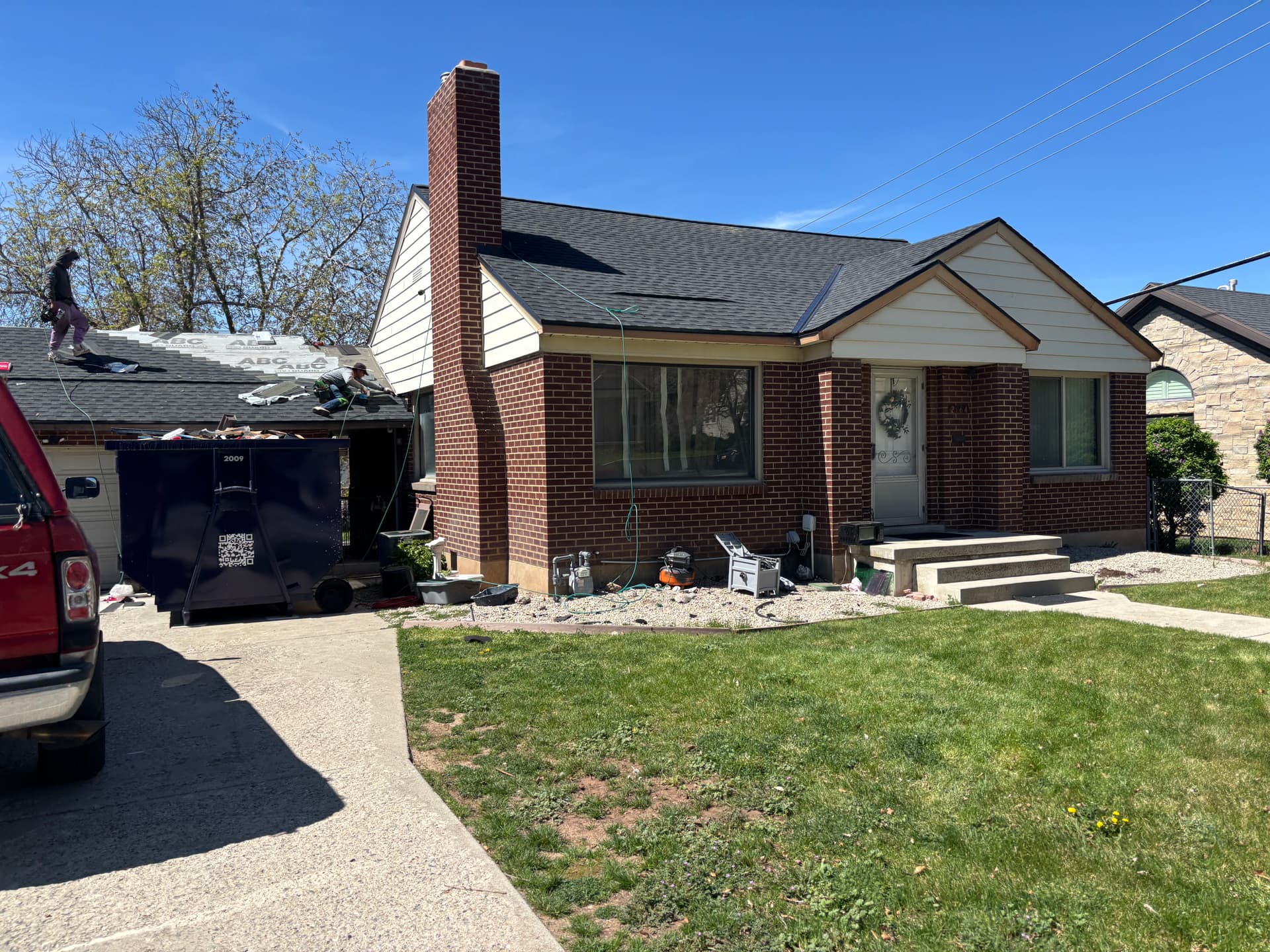
This one had some history under it. We stripped off two layers of asphalt shingles plus a layer of cedar shakes underneath - three layers total. That's a lot of weight that had been sitting on this home for years, and it tells you just how overdue the work was. When you're dealing with multiple layered roofs like this, a simple patch or repair isn't going to cut it.
The tear-off phase is always where we find out what we're really working with. Once everything was pulled back, we could properly assess the decking and prep the surface the right way. We installed new sheathing before anything else went down. That's the foundation everything else depends on, and skipping that step - or cutting corners on it - creates problems you won't see until they're leaking into your ceiling.
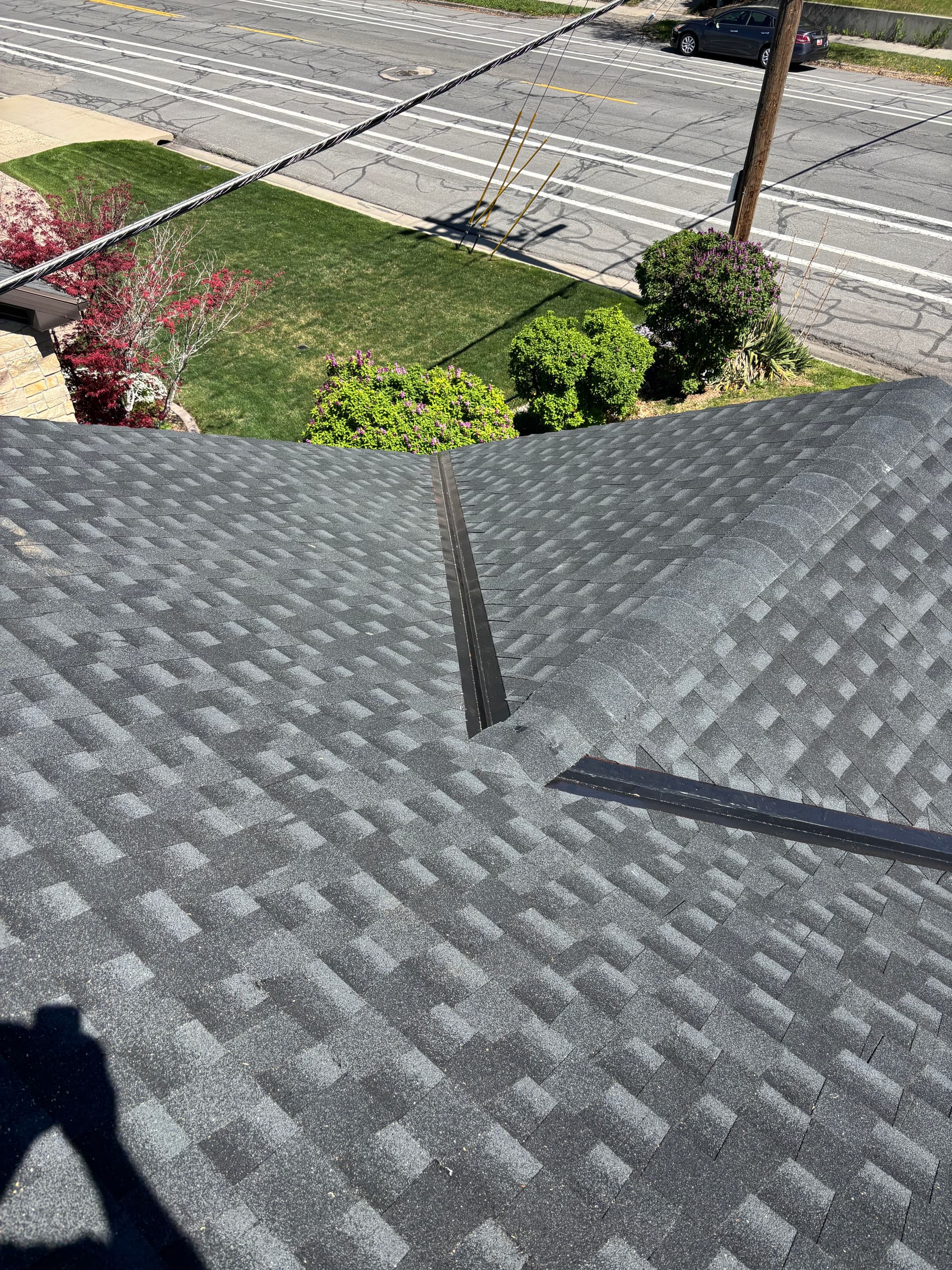
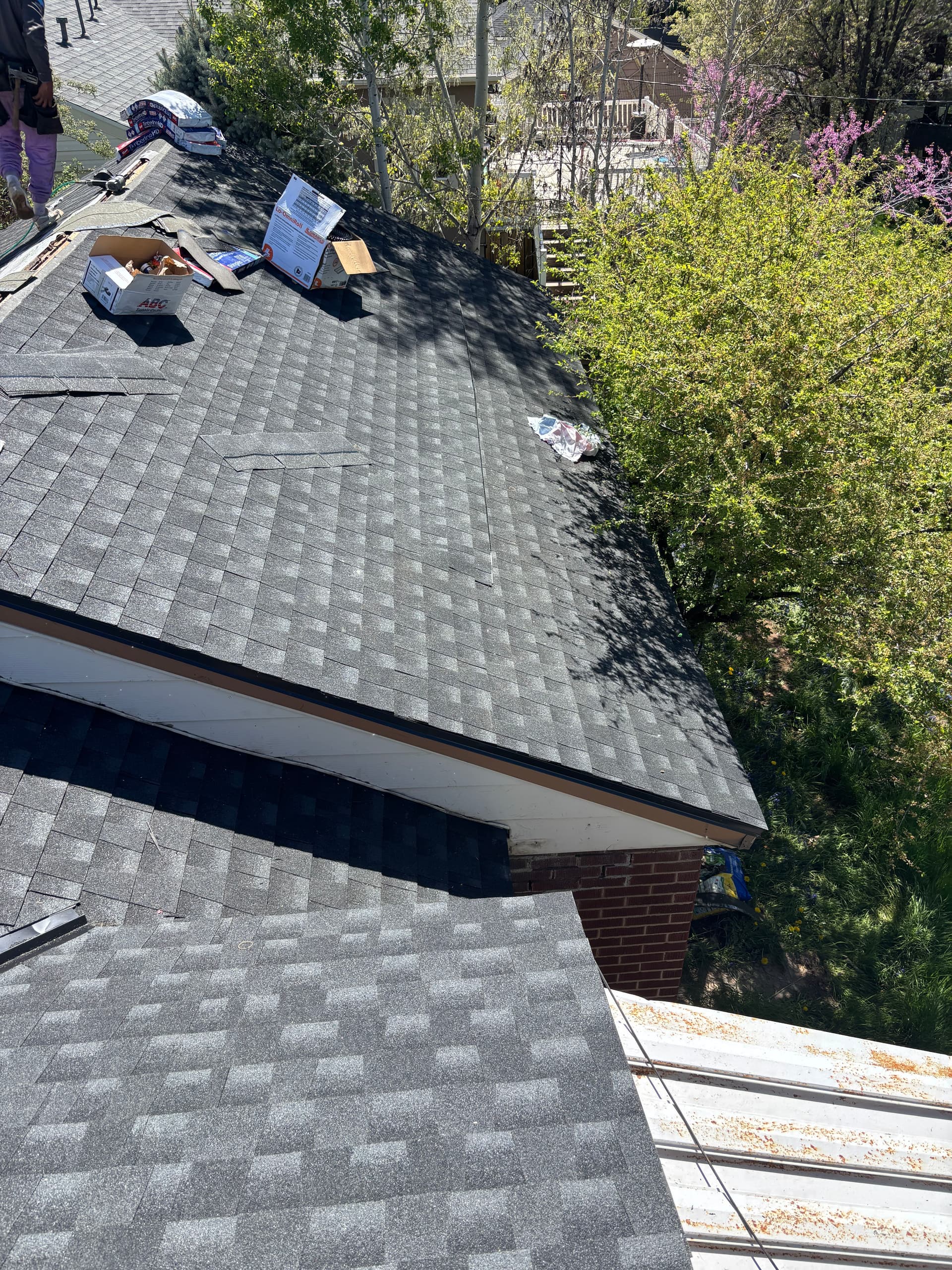
From there, we installed new asphalt shingles, valley metal, deck air, and a ridge vent. Each of those components has a specific job. The valley metal channels water away from the most vulnerable intersections on the roof. The deck air and ridge vent work together to keep airflow moving through the attic, which protects against moisture buildup and heat damage over time. It's a system, not just a surface.
The finished result on this Salt Lake City home is clean, tight, and built to hold up. New sheathing underneath, proper ventilation built in, and quality shingles on top. That's what a full roof replacement should look like - not just a new layer slapped over old problems.